ZONEX DTHP4A Foas Sensor Fossil Fuel Outside Air
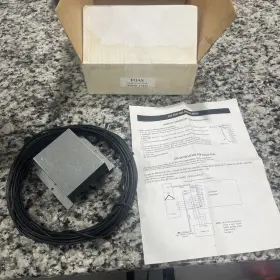
( Brand: Zonex ), ( Manufacturer Part Number: DTHP4A ), ( Type: Ptac Air Conditioner ), ( Compatible Brand: For Rheem ), ( Power Source: Gas ), ( Color: Silver ), ( Compatible Product: Central Furnace ), ( Country Of Origin: United States ), ( California Prop 65 Warning: California Proposition 65 )
Review ZONEX Foas Sensor Fossil Fuel Outside Air
The Zonex DTHP4A FOAS Sensor is an advanced fuel oil analysis system designed for monitoring the quality of outside air intake for fossil fuel burning applications. This sensor is essential for ensuring the efficient and clean operation of boilers, furnaces, and other fossil fuel-fired equipment.
The DTHP4A FOAS Sensor is a high-precision device that utilizes a photoionization detector (PID) technology to analyze the fuel oil and outside air samples. This technology enables the sensor to measure volatile organic compounds (VOCs) and other pollutants present in the air, providing real-time data to optimize fuel combustion and reduce emissions.
The sensor housing is made of durable stainless steel, making it suitable for harsh industrial environments. It is also designed with a large sampling volume, ensuring accurate and reliable measurements even under varying flow conditions. The sensor features a digital display that shows the current readings and alarm status, making it easy to monitor the system's performance.
The Zonex DTHP4A FOAS Sensor is equipped with an advanced self-diagnostic function that alerts users of any potential issues, such as sensor fouling or power interruptions. It is also compatible with various communication protocols, including Modbus, HART, and PROFIBUS, enabling seamless integration with other industrial control systems.
The sensor's calibration is traceable to international standards and can be easily adjusted using the built-in calibration function. It is also designed with a long-lasting sensor element, reducing the need for frequent replacements.
The Zonex DTHP4A FOAS Sensor is an essential tool for any fossil fuel-fired application that requires the monitoring of outside air quality for combustion optimization and emissions reduction. Its advanced features, high accuracy, and durability make it a reliable and cost-effective solution for industrial applications.
The FOAS (Fossil Fuel Oil Air Sensor) ZONEX DTHP4A is a device designed to measure the concentration of hydrocarbons in outdoor air. This sensor can be useful for various applications, including the monitoring of air quality in industrial settings, oil refineries, and other facilities where the presence of fossil fuel emissions is a concern. In this response, we will discuss the potential pros and cons of purchasing this FOAS sensor.
Pros:1. High Sensitivity: The ZONEX DTHP4A FOAS sensor has a high sensitivity to hydrocarbons, allowing it to detect even small concentrations of these pollutants in the air.
2. Wide Detection Range: The sensor can detect hydrocarbon concentrations ranging from 0 to 20,000 ppm, making it suitable for various applications where hydrocarbon emissions may be present.
3. Reliable and Accurate: The FOAS sensor has been designed to ensure reliable and accurate measurements, with a reported accuracy of (2% L) for hydrocarbon concentrations between 0 and 500 ppm.
4. Easy to Install and Use: The sensor comes with a user-friendly interface and can be easily installed and integrated into existing monitoring systems.
5. Compliance with Regulations: By monitoring hydrocarbon emissions, the ZONEX DTHP4A FOAS sensor can help facilities comply with various environmental regulations, ensuring that they are operating in an environmentally responsible manner.
Cons:1. Cost: The FOAS sensor can be relatively expensive, especially when compared to other air quality sensors.
2. Power Consumption: The sensor requires a constant power supply, which can result in higher energy costs for facilities.
3. Calibration: The sensor may require regular calibration to ensure accurate measurements, which can add to the overall cost and maintenance requirements.
Conclusion:The ZONEX DTHP4A FOAS sensor is a high-performance device designed for measuring hydrocarbon concentrations in outdoor air. Its advantages include high sensitivity, wide detection range, reliability, accuracy, and ease of use. However, its disadvantages, such as cost, power consumption, and calibration requirements, must also be considered before making a purchasing decision.
Recommendation:If your application requires the monitoring of hydrocarbon emissions in outdoor air, the ZONEX DTHP4A FOAS sensor is an excellent choice due to its high sensitivity, wide detection range, and reliable performance. However, it is essential to consider the costs associated with the sensor, including power consumption and calibration requirements, to ensure that it is a cost-effective solution for your specific application. Additionally, ensure that the sensor is compatible with your existing monitoring systems and regulations before making a purchase.
Details:
This Zonex mass air flow sensor is used to sense Balance Point temperature for auto-changeover out doors. The air flow sensor is used for fossil fuel application only.
part #: dthp4a price
- $24.89
specifications hvaceye:
- brand: Zonex
- mpn: Dthp4a
- type: Ptac Air Conditioner
- compatible brand: For Rheem
- power source: Gas
- color: Silver
- compatible product: Central Furnace
- country of origin: United States
- california prop 65 warning: California Proposition 65
general hvaceye:
- condition: New Open box
- HVAC Refrigeration > HVAC Refrigeration: Parts Accessories > HVAC Sensors
returns hvaceye:
- policy: No Returns
shipping hvaceye:
- transit: 5-12 Days
- type: Calculated
- class: Standard
- carrier: USPS
- service: USPS Ground Advantage
- cost: $7.52
seller hvaceye:
- # reviews: 616
- rating: 100.0%
- city: Knox, Indiana
offer hvaceye:
- started: February 5, 2026
- sold: 0
- best offers: True
- options: Ship-to-home
- quantity: 1
- availability: In Stock
payments hvaceye:
- wallet: Google-pay
- other
- credit card: Visa
