CNPAPC 234-4138 Oxygen Sensor Upstream Downstream 4PCS O2 234-4260
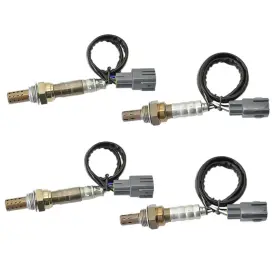
( Brand: Cnpapc ), ( Manufacturer Part Number: 234-4138 ), ( Model: 234 4138 2 ), ( Part Type: Sensor ), ( Packageheight: 50 ), ( Packagelength: 180 )
Review CNPAPC 4pcs Oxygen O2 Sensor Upstream And Downstream
Introducing the CNPAPC 234-4138 and 234-4260 Oxygen Sensors, a crucial addition to your automotive diagnostic toolkit. These sensors come as a set of four, with two upstream sensors (234-4138) and two downstream sensors (234-4260), ensuring you're prepared for various diagnostic needs.
The upstream oxygen sensors (CNPAPC 234-4138) are designed to monitor the air-fuel mixture before it enters the catalytic converter in your vehicle's engine. By accurately measuring the amount of unburnt oxygen in the exhaust gases, these sensors help maintain the optimal air-fuel ratio for efficient combustion and reduced emissions. They feature robust and durable materials, ensuring reliable performance even under extreme temperatures and pressure.
On the other hand, the downstream oxygen sensors (CNPAPC 234-4260) are located after the catalytic converter. Their primary function is to measure the amount of oxygen remaining in the exhaust gases after the converter has processed the exhaust. This information is essential for the vehicle's closed-loop fuel system, as it adjusts the fuel mixture based on the oxygen sensor's reading to maintain the optimal air-fuel ratio for efficient combustion and cleaner emissions. Like their upstream counterparts, these sensors are built to last, with high-quality materials that can withstand the harsh conditions of the exhaust system.
Each sensor in this set is designed to deliver precise and accurate readings, helping you diagnose potential issues in your vehicle's emissions system and maintain optimal engine performance. The CNPAPC 234-4138 and 234-4260 Oxygen Sensors are an essential investment for professional mechanics, DIY enthusiasts, and car care specialists alike.
Upgrading Your Car's Oxygen Sensors: A Look at the CNPAPC 234-4138 Upstream and 234-4260 Downstream Oxygen Sensors
Introduction:Replacing oxygen sensors in your vehicle is an essential part of maintaining its optimal performance. In this analysis, we will discuss the pros and cons of investing in the CNPAPC 234-4138 upstream oxygen sensor and the 234-4260 downstream oxygen sensor.
CNPAPC 234-4138 Upstream Oxygen Sensor: Pros:1. Improved Fuel Efficiency: By monitoring the air-fuel mixture entering the engine, an upstream oxygen sensor ensures that the engine receives the ideal amount of fuel, which leads to better fuel economy.
2. Enhanced Engine Performance: Correct oxygen sensor readings guarantee optimal engine operation, reducing the risk of engine misfires, stalling, or poor idling.
3. Longevity: A faulty oxygen sensor can cause damage to other parts of the engine. Replacing it promptly can save you from costly repairs in the future.
Cons:1. Cost: While the individual cost of the CNPAPC 234-4138 upstream oxygen sensor may seem reasonable, labor costs associated with installation can add to the overall expense.
2. Complex Installation: Oxygen sensors are located in hard-to-reach areas under the vehicle, which can make installation a challenging task, especially for those without automotive experience.
CNPAPC 234-4260 Downstream Oxygen Sensor: Pros:1. Enhanced Emission Control: The downstream oxygen sensor monitors the exhaust gases leaving the engine, helping to ensure that the vehicle is emitting the appropriate amount of pollutants, which is essential for passing emission tests.
2. Improved Engine Performance: Accurate oxygen sensor readings contribute to better engine performance, reducing the risk of engine misfires and improving overall driving experience.
3. Cost-Effective: Downstream oxygen sensors tend to be less expensive than upstream sensors, making them a more budget-friendly option for vehicle maintenance.
Cons:1. Potential for False Readings: Downstream oxygen sensors can sometimes provide false readings due to the presence of unburnt fuel in the exhaust gases, which can lead to incorrect fuel mixture adjustments.
2. Degradation Over Time: These sensors are exposed to high temperatures and corrosive exhaust gases, which can degrade their performance over time, necessitating regular replacement.
Conclusion:When considering the purchase of either the CNPAPC 234-4138 upstream oxygen sensor or the 234-4260 downstream oxygen sensor, it is essential to weigh the benefits against the potential drawbacks. Both sensors contribute significantly to the overall performance and efficiency of your vehicle. While the upstream sensor focuses on optimizing the air-fuel mixture entering the engine, the downstream sensor monitors the exhaust gases leaving the engine, ensuring proper emission control.
Investing in these oxygen sensors can lead to improved fuel efficiency, better engine performance, and potentially save you from costly repairs in the future. However, they can be expensive to purchase and install, especially when labor costs are factored in. Additionally, both sensors have their unique challenges, such as the potential for false readings in the case of downstream sensors or the complex installation process for upstream sensors.
Recommendation:Given the importance of oxygen sensors in maintaining your vehicle's performance and efficiency, it is recommended to replace them as soon as possible when they fail or show signs of degradation. If budget constraints are a concern, consider starting with the downstream oxygen sensor, as it is generally less expensive and can still provide significant improvements in engine performance and emission control. However, if you prioritize fuel efficiency and want to address any potential issues with the air-fuel mixture entering the engine, investing in an upstream oxygen sensor would be the better choice.
Details:
Fast Pigeon Premium Shipping Experience Responsive Support. Orders are dispatched promptly and packaged with care. Every product is carefully selected to meet high standards of quality and performance.
part #: 2344138 prices
- $18.80-$72.54
specifications hvaceye:
- brand: Cnpapc
- mpn: 234-4138
- model: 234 4138 2
- part type: Sensor
- packageheight: 50
- packagelength: 180
returns hvaceye:
- time: 30 Days
- policy: Returns Accepted
- method: Money back
- paid by: Seller
offer hvaceye:
- options: Ship-to-home
- availability: In Stock
- started: February 28, 2026
- sold: 0
- quantity: 1
payments hvaceye:
- other
- wallet: Paypal
- credit card: Mastercard
shipping hvaceye:
- transit: 4-10 Days
- service: Standard
- type: Fixed
- class: Standard
- cost: $0.00
seller hvaceye:
- rating: 99.2%
- # reviews: 123
- city: US
general hvaceye:
- HVAC Refrigeration > HVAC Refrigeration: Parts Accessories > HVAC Sensors
- condition: New
Cnpapc 234-4138 Is Similar To:
- Cnpapc 234-5173 4 Pcs Oxygen Sensor Upstream And Downstream 234-5174 Compatible With (72.2% similar) Package dimensions: 7.08 x 4.32 1.96 inches. Style: 4PCS up down. Material: plastic. Manufactured to meet original specification, direct fit without any modification. Specific uses for product: automotive. Item model number: 234-5173, 234-5174, 234-4968. Mounting type: flange mount...(March 2nd, 2026)
